10 billion in savings: MR wants to cut spending rather than raise taxes
The upcoming federal budget conclave promises to be decisive. MR advocates a clear line: act on public spending and stimulate growth, rather than raising taxes.
The upcoming federal budget conclave promises to be decisive.
The government must find 10 billion euros by 2029 to put public finances back on a more sustainable trajectory. An exercise that once again risks putting the majority partners before difficult choices.
For Georges-Louis Bouchez, president of the MR, one thing is clear: there must be no repeat of last year's negotiations, where each party came to defend its own markers.
“If everyone comes back with their little symbols, we're heading in the same direction as last year.”
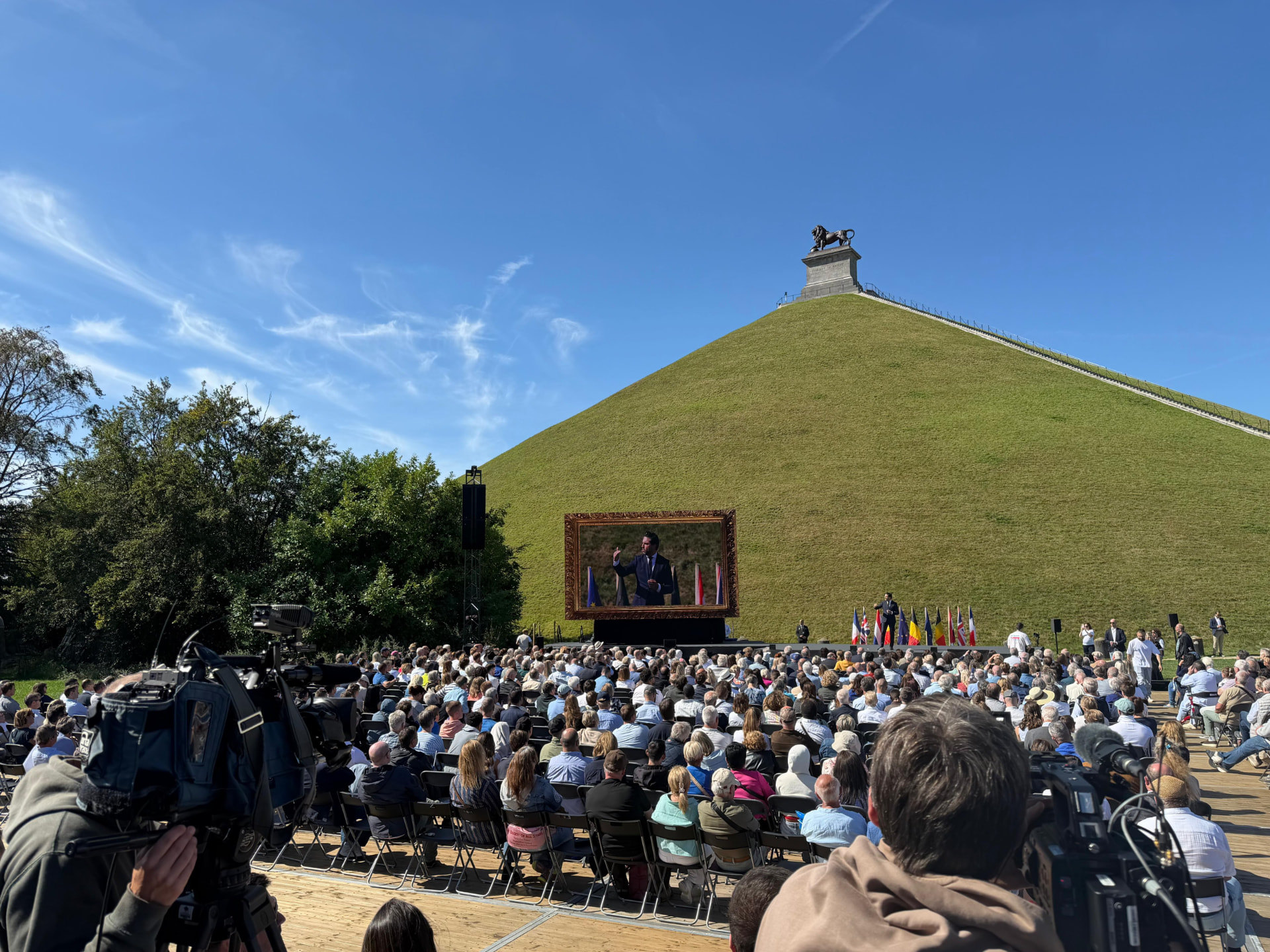
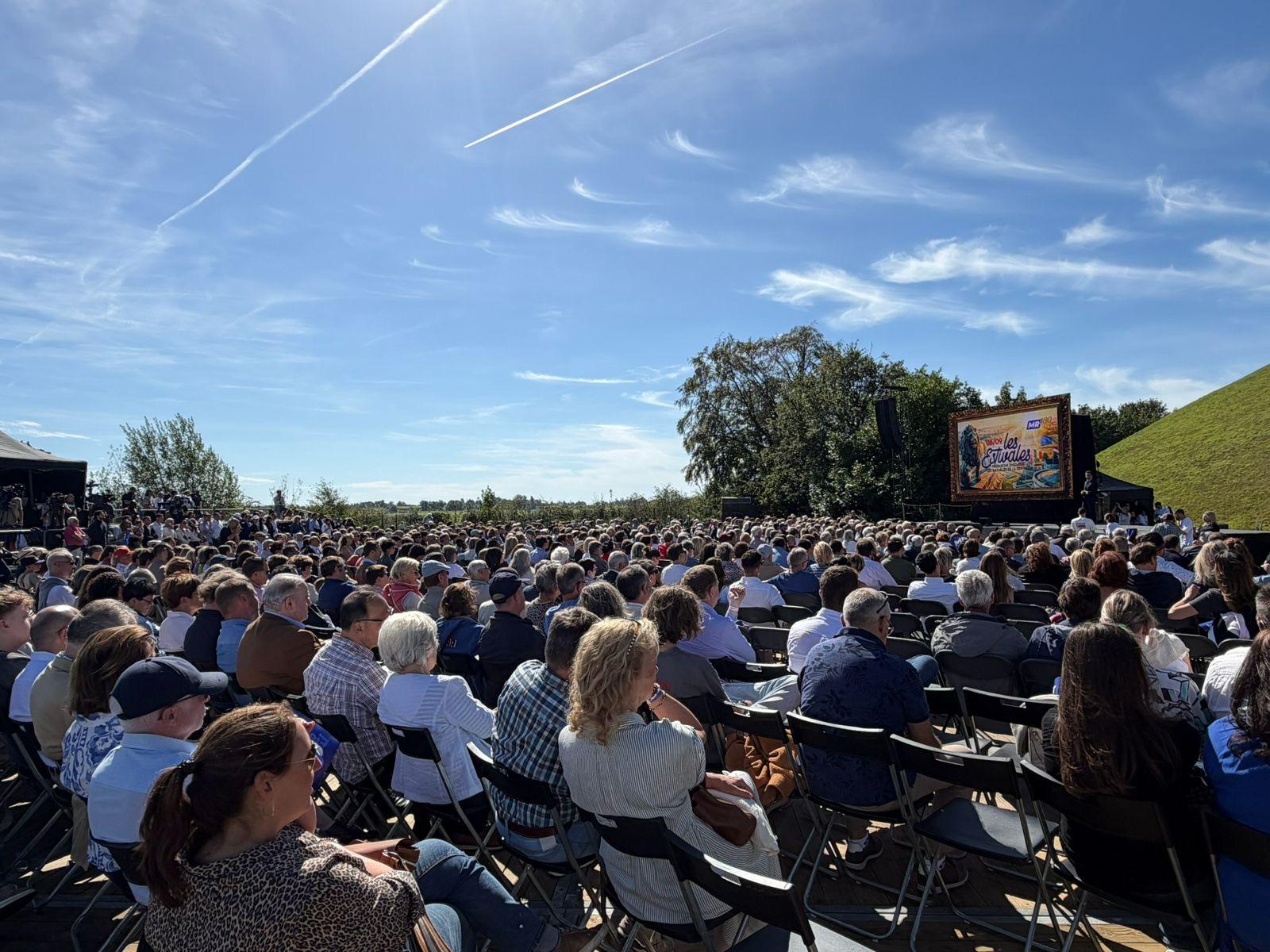
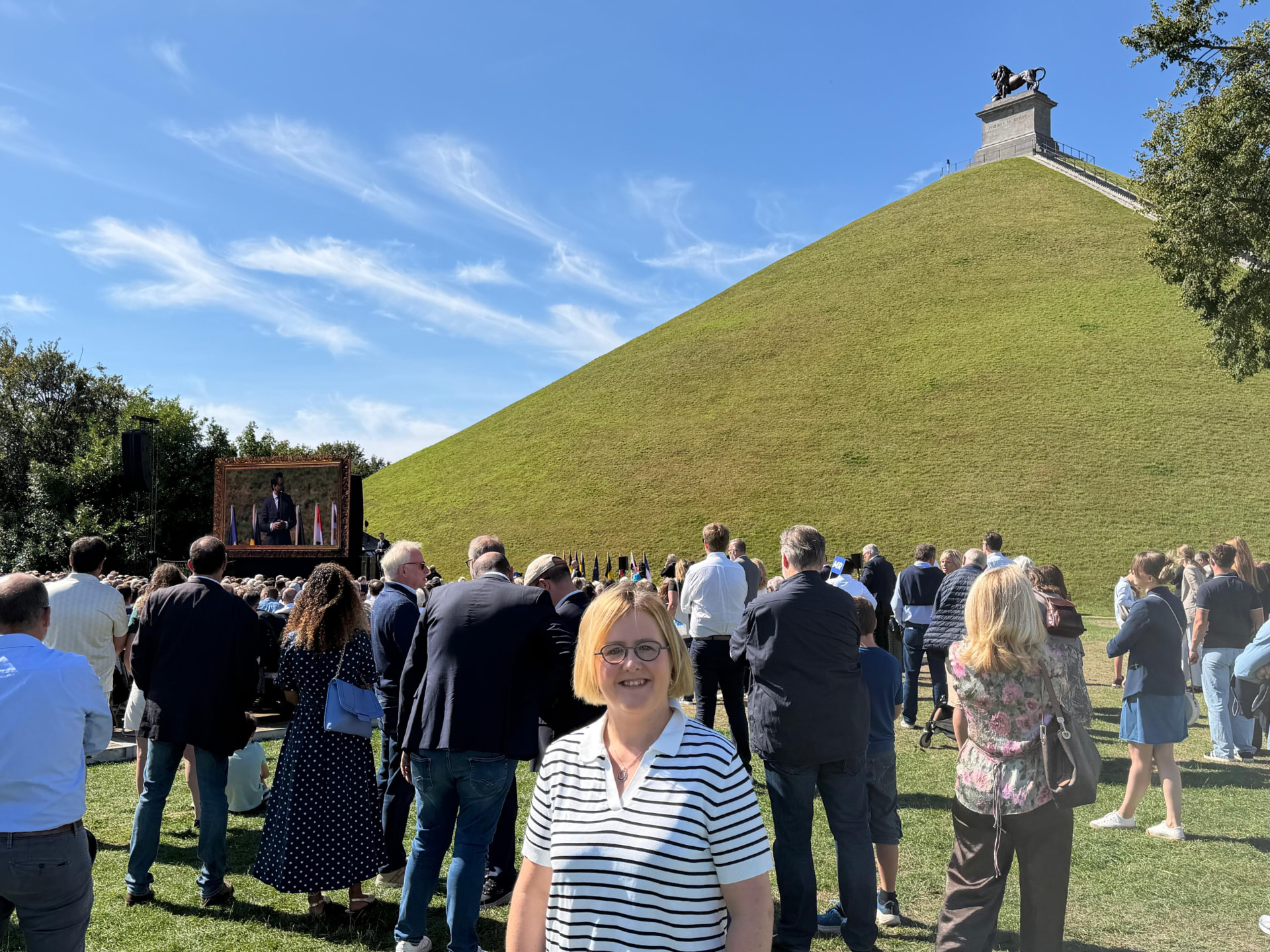
During a gathering of MR militants in Braine-l'Alleud, the liberal president presented the line his party wishes to defend in the upcoming negotiations: act on public spending and create the necessary conditions for greater economic growth.
Reduce the State's operating costs
For MR, the equation should not be solved primarily by new taxes.
The party notably opposes a VAT increase and advocates for a reduction in the State's "operating costs."
The question is therefore simple: where can the savings be found?
Georges-Louis Bouchez states that MR will soon present a "growth plan" to the government, including a quantified trajectory aiming for 16 to 17 billion euros in savings, across all levels of government, without increasing taxes.
The plan should notably be structured around several axes: deregulation, tax cuts, and strengthening training.
The objective is to enable the economy to create more wealth, while gradually reducing public spending.
Fewer rules, more growth?
Among the proposals put forward is a desire to simplify rules and reduce administrative burden.
Georges-Louis Bouchez summarizes this approach with a deliberately provocative phrase:
“Today, the most useful minister is the one who eliminates texts!”
The idea defended is that too many rules and procedures can hinder businesses, the self-employed, and economic activity.
Added to this is the desire to strengthen training, in order to better meet the needs of the labor market.
Where to make savings?
The president of the MR also mentioned several sectors in which savings could, in his opinion, be made.
He notably cites healthcare, where he believes there are abuses and that the hospital landscape remains too extensive.
He also mentions the BIM status, and particularly the need to better control certain situations when access to increased intervention relies on automaticity.
Another area mentioned: the functioning of public authorities and the political world itself.
MR notably advocates for a reduction in the number of deputies and ministers, the abolition of provinces, and a reform of the civil service.
Artificial intelligence could also, according to this approach, contribute to reviewing certain working methods and improving the efficiency of administrations.
What about taxation?
This is probably one of the main points of tension in the upcoming conclave.
MR maintains its opposition to a VAT increase or a general increase in tax pressure.
Georges-Louis Bouchez also recalls that the government agreement stipulates that a large majority of the budgetary effort must come from structural reforms, while only a part can rely on a fiscal contribution from the highest incomes and certain other incomes.
For the president of the MR, this limit must be respected.
The debate is therefore set to be intense: should we seek more revenue or reduce spending more?
A choice of model
Behind these budget negotiations is ultimately a broader question: what kind of State do we want?
For MR, the answer lies in a leaner, less complex, and more efficient State.
This implies questioning certain structures, certain expenses, and certain public policies, but also measuring their effectiveness.
The reasoning is as follows: continuously increasing public spending does not necessarily guarantee a proportional improvement in services rendered to citizens.
The stated objective is therefore to reduce spending, stimulate growth, and gradually decrease tax pressure, rather than systematically seeking new revenues.
The coming months will show how far this line can be defended within the majority.
Because as Georges-Louis Bouchez summarized to the activists: the next six months will be decisive for the record of the various governments.
Between a new series of marginal compromises and a real structural reform, the choice will have to be made.
Gallery